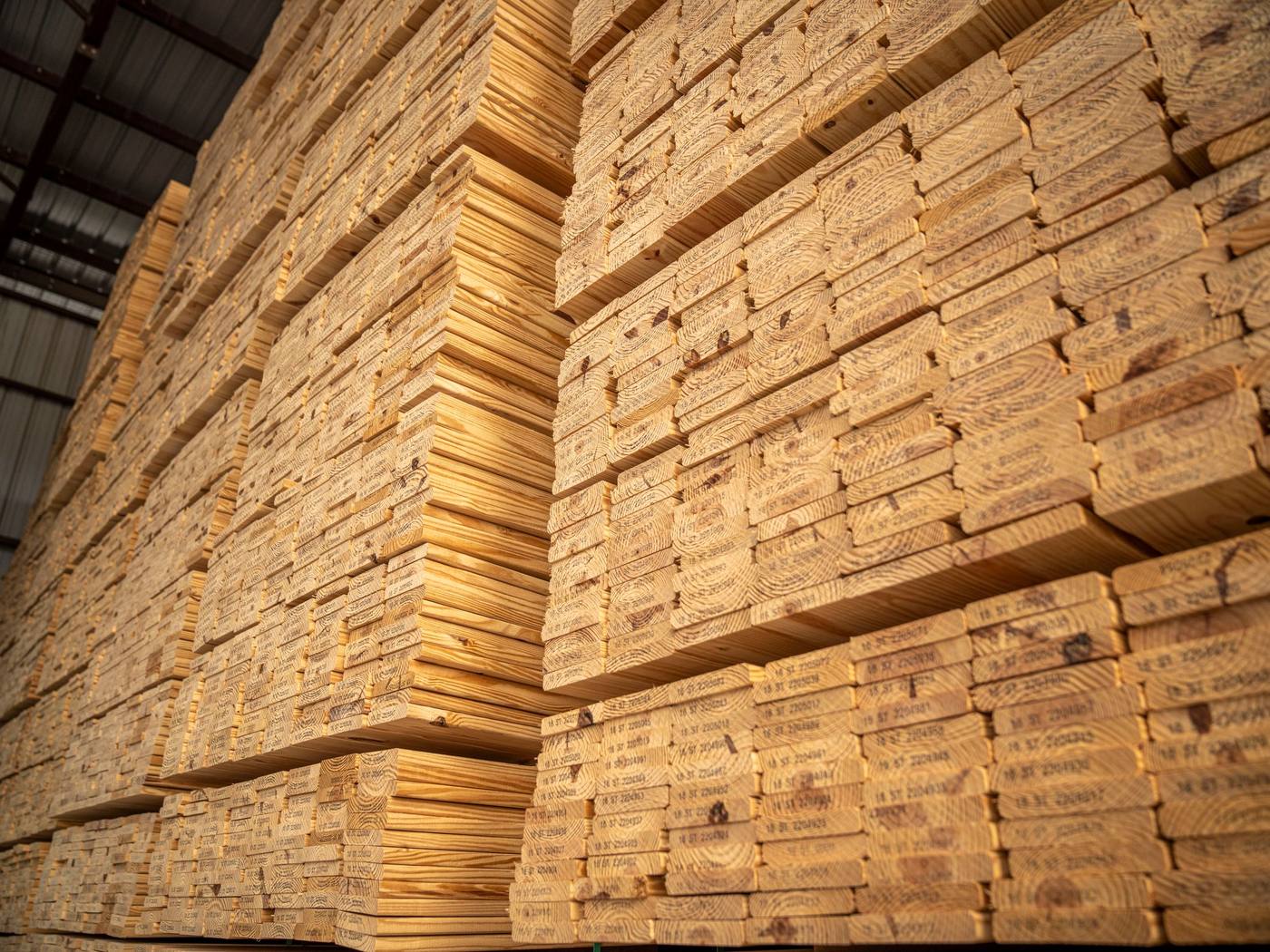
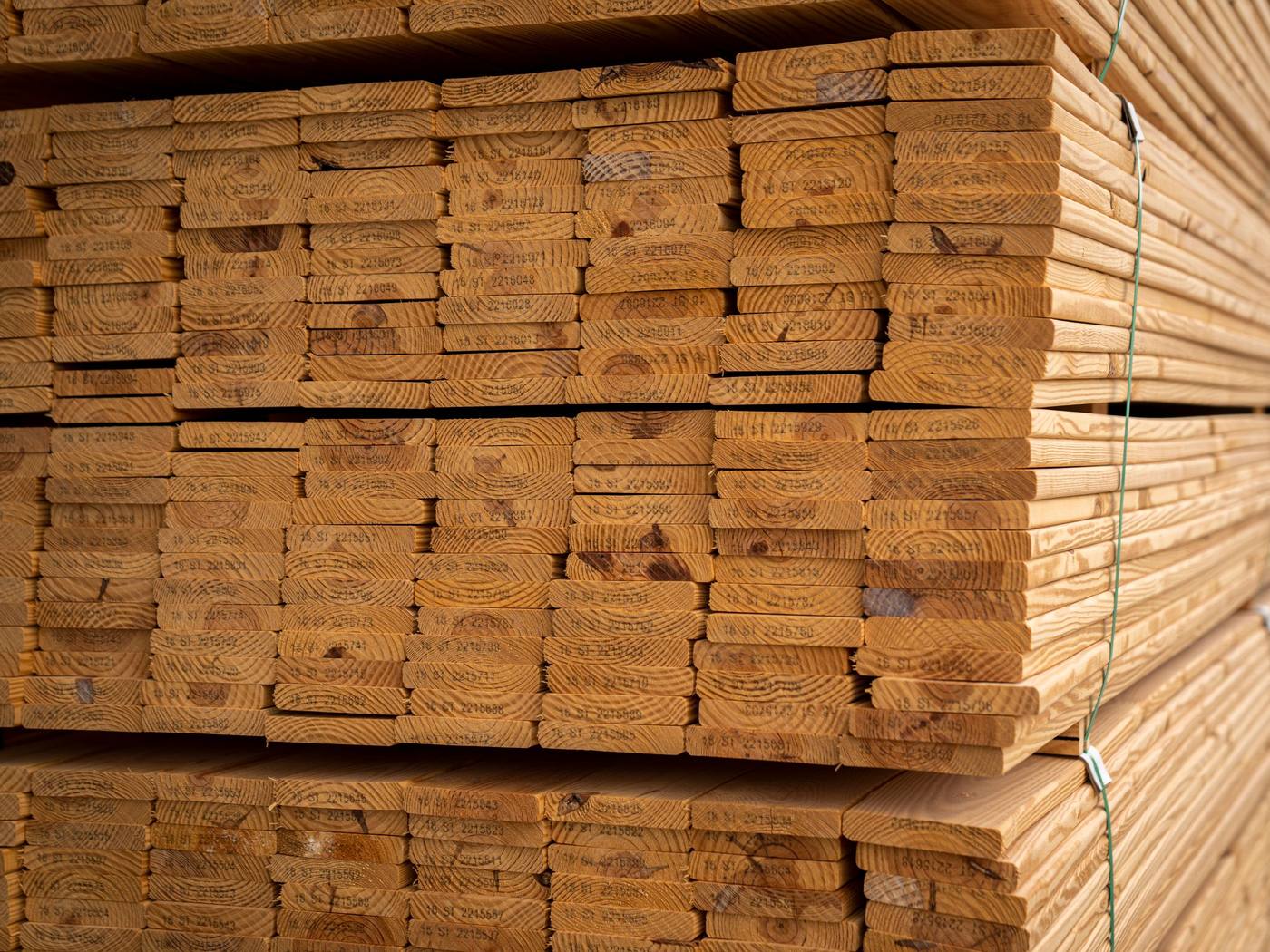
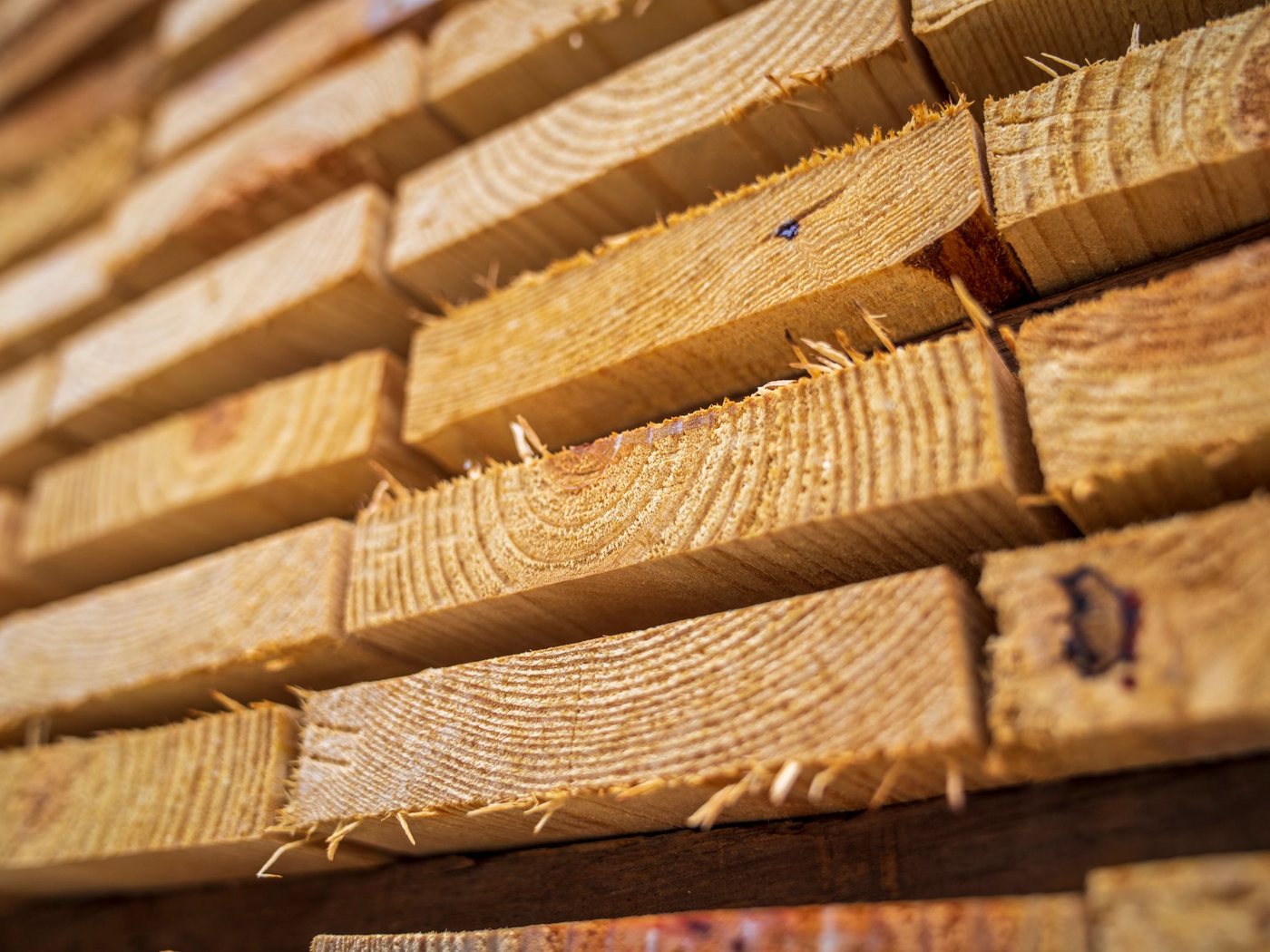
Low natural durability
The heartwood is rated non-durable to perishable against decay. Untreated radiata should stay indoors or in protected, dry use. For outdoor or ground contact it must be preservative treated.
Plantation-grown radiata pine logs imported from New Zealand — the raw material behind most of the sawn timber, pallet wood and packaging timber we supply.
New Zealand round logs are Pinus radiata, also called Radiata Pine or Monterey Pine. It is New Zealand's dominant plantation species, grown in intensively managed forests on a roughly 25–30 year rotation and harvested on a planned cycle rather than from natural forest.
The wood is pale — a wide, almost white sapwood with a light brown heartwood. Because the trees are planted, pruned and thinned to a schedule, log quality is far more predictable than naturally grown timber: straighter stems, more uniform diameters and a consistent grain that saws and machines the same way batch after batch. That predictability is exactly what a sawmill, a pallet line or a packaging unit needs.
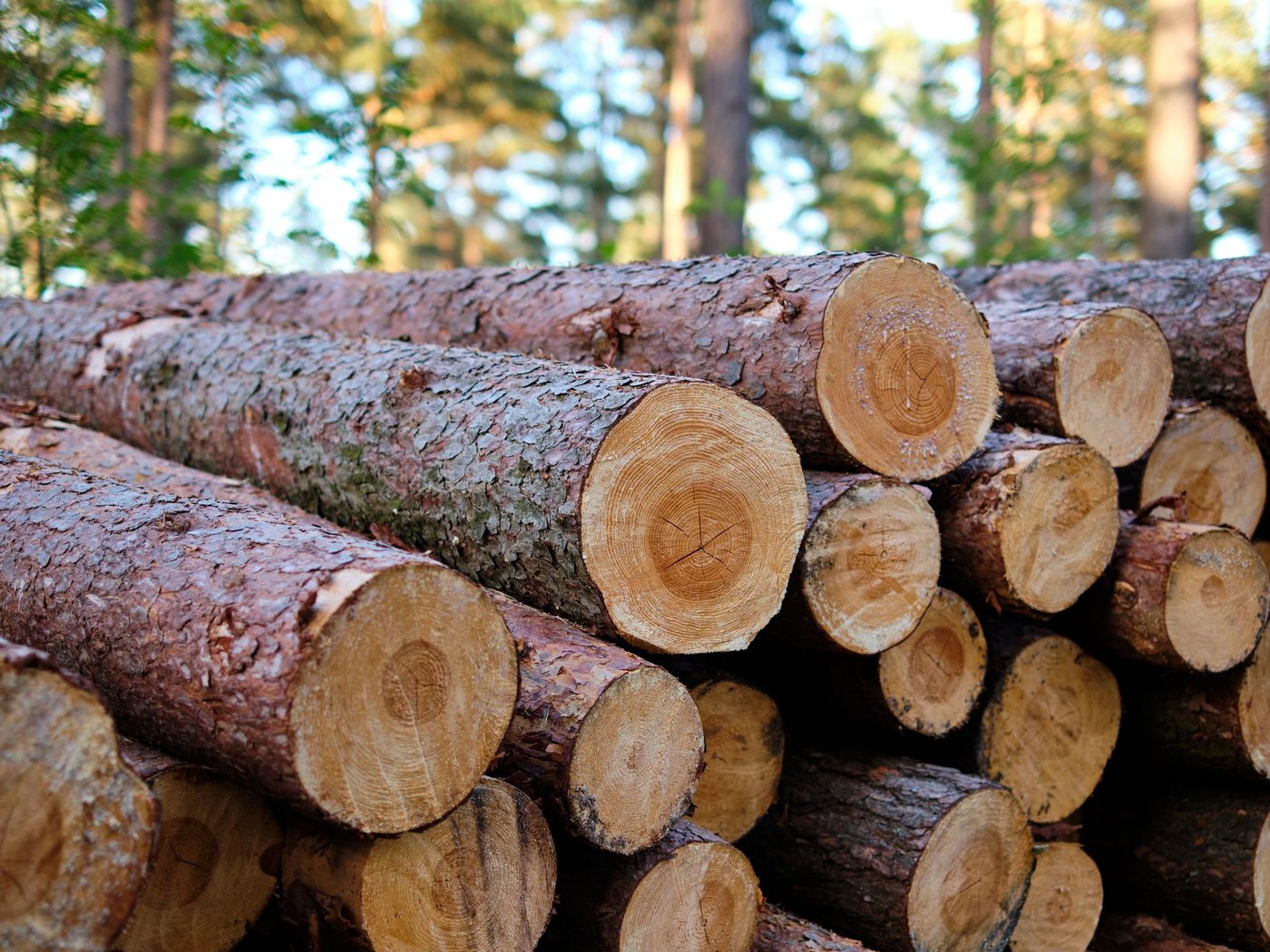
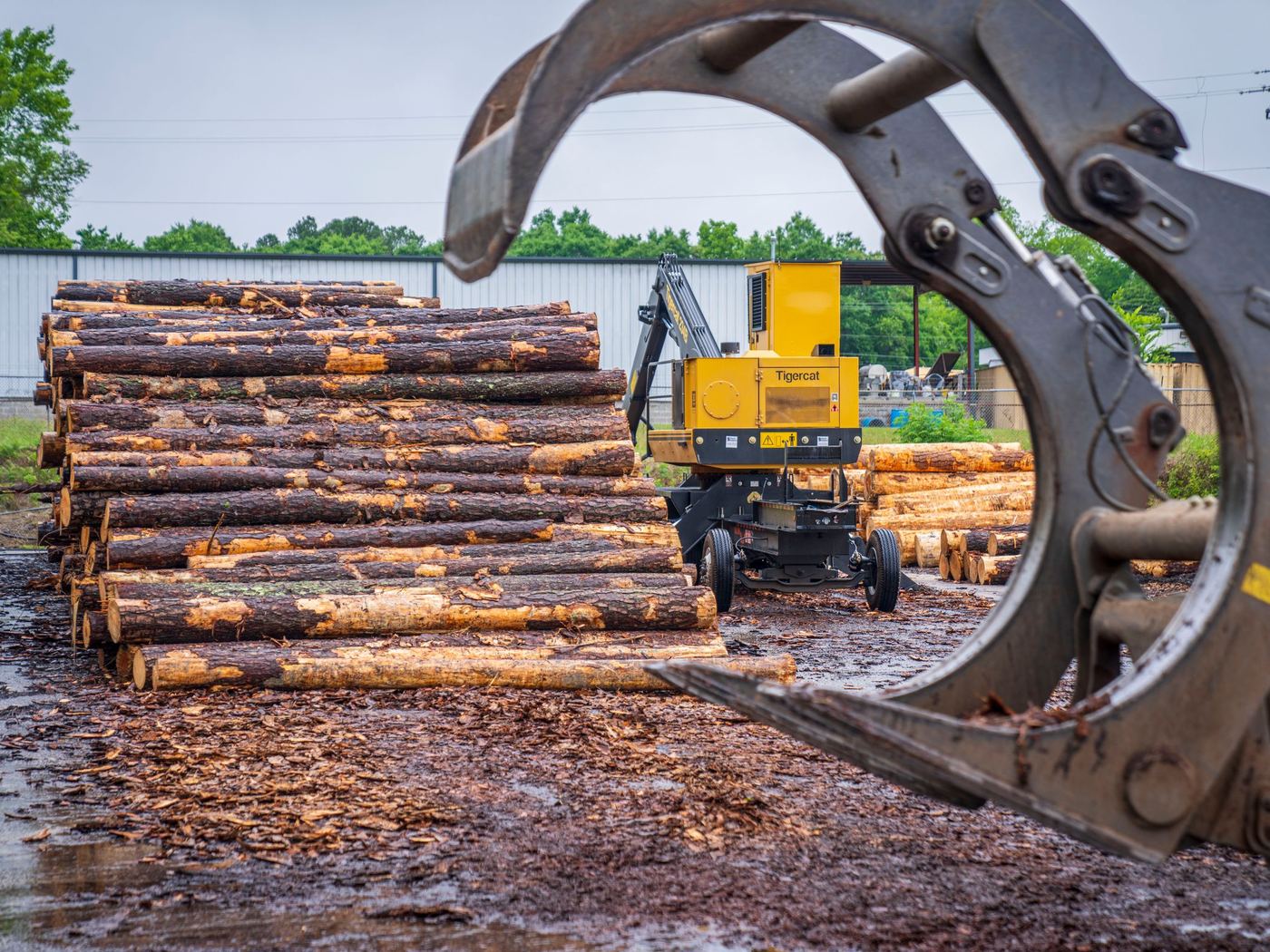
Radiata pine covers the large majority of New Zealand's planted production forest. It was introduced there from a small native range on the Californian coast and, in New Zealand's climate, grows faster and straighter than almost anywhere else in the world.
Logs are harvested, debarked and graded at the forest or port, then shipped in bulk. We import them into Kandla / Mundra and move them the short distance to our yard at Gandhidham, where they are sorted and either sold as round logs or broken down at our own sawmill.
Being close to the port matters: fewer handling stages, less damage, and logs that reach the saw sooner — which is also what keeps sapstain away.
Radiata pine is not the hardest or the most durable softwood in the world. What it is, is consistent, workable and easy to treat — and for sawmilling, pallets and packaging that combination beats raw hardness every time.
Managed forests, planned rotations and graded logs mean diameters, straightness and grain stay within a narrow band — so your recovery per log is predictable.
Soft, even-textured and low in silica. It cuts cleanly with both hand and machine tools, holds a clean edge and gives good recovery at the mill with less blade wear.
The wide, permeable sapwood accepts preservative right through in a normal treatment cycle — one of the main reasons radiata is used worldwide for treated timber.
Holds nails and staples without excessive splitting, glues reliably, and takes paint and stain evenly — important for pallet assembly and for packing cases.
Light enough to keep freight weight and manual handling down, strong enough for packaging, crating and general structural work.
Because the resource is planted and harvested on a cycle rather than seasonally logged, supply stays steady — which is what makes repeat monthly ordering possible.
Every timber has a working range. These are the honest limits of radiata pine round logs — knowing them up front is what keeps a consignment from going wrong.
The heartwood is rated non-durable to perishable against decay. Untreated radiata should stay indoors or in protected, dry use. For outdoor or ground contact it must be preservative treated.
Radiata offers no natural resistance to termites or borers. In Indian conditions this matters — specify treated material for anything stored long term or used outdoors.
Plantation trees carry branch whorls, so unpruned logs give knotty timber. Clear, knot-free material comes from pruned butt logs and costs more. Grade selection decides what you get.
Resin-rich pieces can be harder to glue, and pitch can bleed through paint or stain over time. Kiln drying helps set the resin; for critical finishing work, specify it.
Freshly felled radiata sapwood is prone to sapstain (blue stain) if it stays wet and warm. It is a discolouration, not a strength defect — but it is why logs need to move to the saw promptly.
At roughly 750 lbf on the Janka scale, radiata marks under sharp point loads. Fine for packaging and pallets; not the choice for a surface that has to resist heavy impact.
Round logs are a raw material, so the end use is decided at the saw. These are the applications our customers most often convert them into.
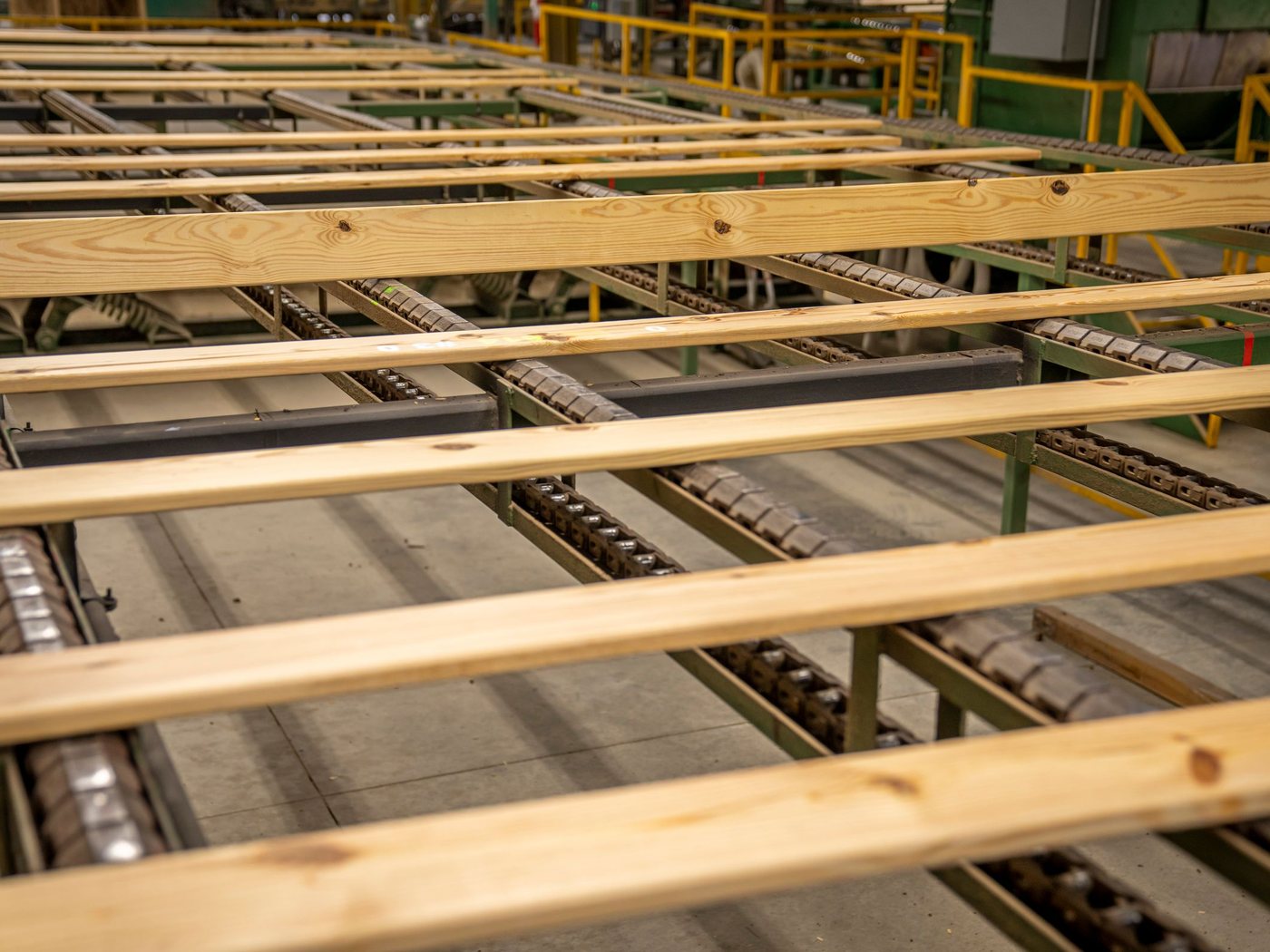
Broken down into sawn timber and lumber at our own mill or the customer's.
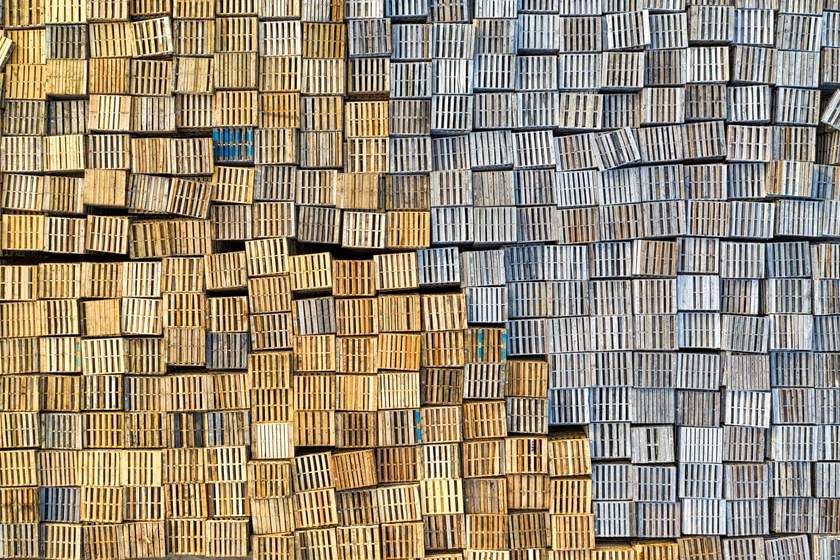
Boards, blocks and stringers for pallet assembly lines.
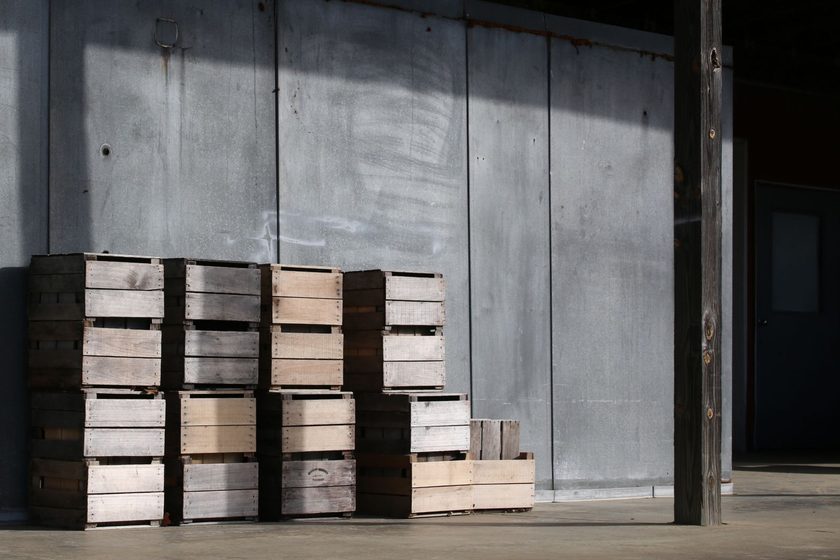
Crates, cases, skids and protective packing for machinery and goods.
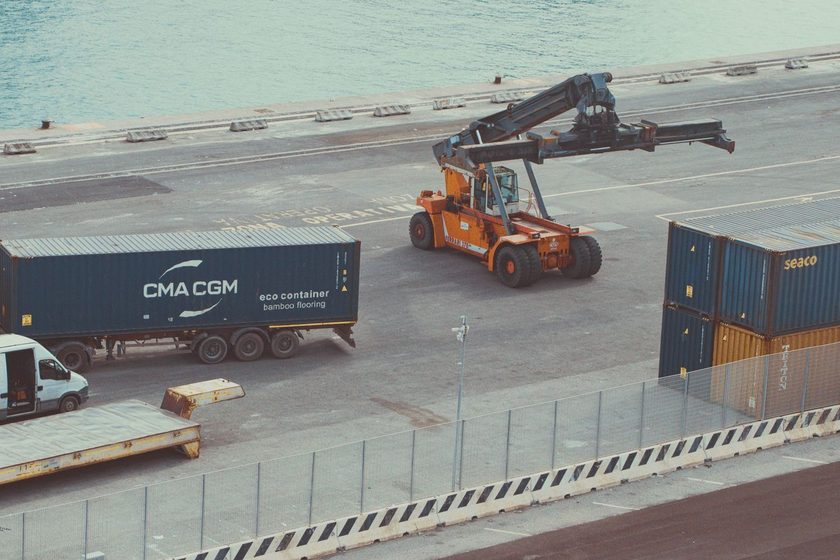
Packing timber that can be heat treated to ISPM-15 for overseas consignments.
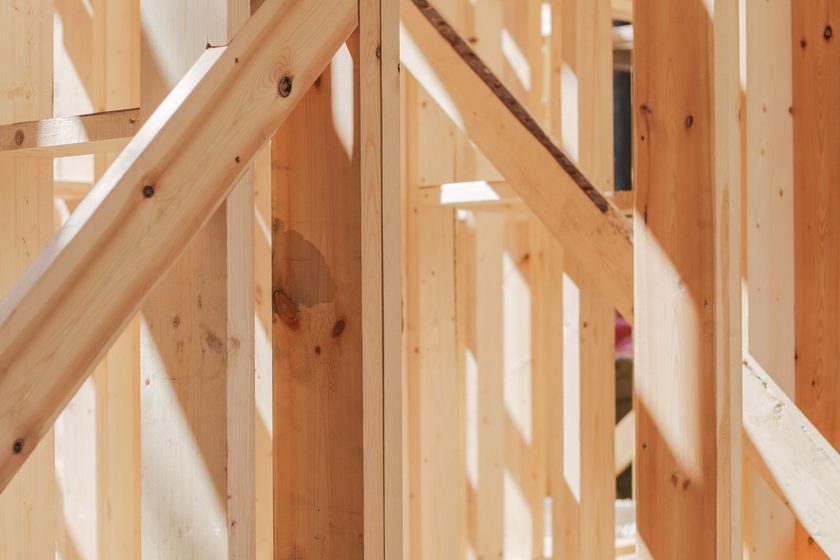
Shuttering, scaffolding planks, site timber and general building work.
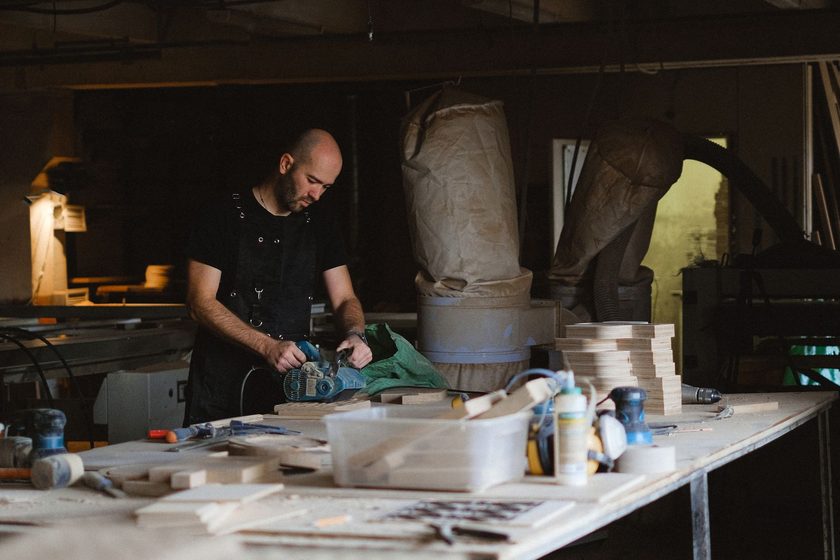
Frames, internal parts and components where a clean, workable softwood suits.
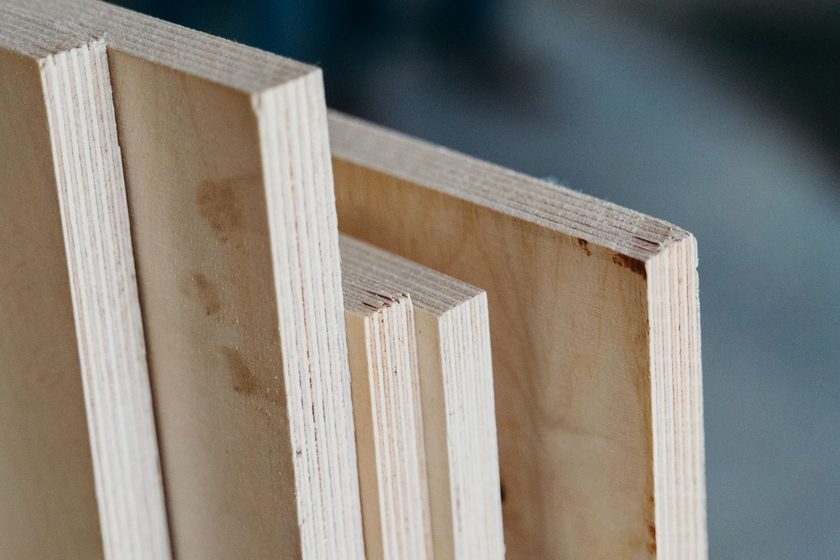
Peeler logs for plywood and veneer production.
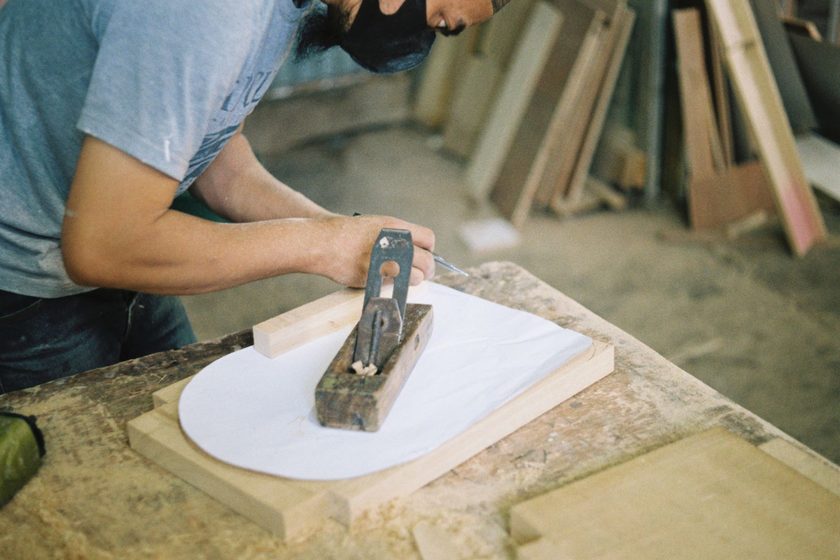
Any section the customer specifies, cut from the log to their own list.
New Zealand export logs are traded to well-established grades based on the pruning history, branch size and small-end diameter (SED) of the log. These are the classes you will usually see quoted.
| Grade | What it means | Typical SED | Typically used for |
|---|---|---|---|
| Pruned (P) | Butt log from a pruned tree — clear, knot-free outer woodThe premium grade | 40 cm and above | Clear cuttings, furniture, veneer, appearance grades |
| A grade | Unpruned, large diameter, small branches | 30–40 cm | Structural sawn timber, construction lumber |
| K grade | Unpruned, medium diameter, general sawlog | 20–30 cm | General sawn timber, packaging, pallet wood |
| KI / KIS | Smaller industrial sawlogs | 16–24 cm | Pallet material, packaging timber, boxes |
| Typical lengths | Cut to standard export lengths | — | 3.8 m · 5.8 m · 6.1 m · 8.1 m · 11.8 m |
Swipe the table sideways to see every column.
Grade names, diameter classes and available lengths vary between shipments and suppliers. Tell us the end use and the volume, and we will confirm exactly what is available, at what diameter and length, before anything is committed.
Radiata is easy to work with and easy to spoil. Almost every problem with it comes down to wet timber sitting still for too long.
We will confirm availability, arrival timeline and price for your requirement.