It absorbs moisture
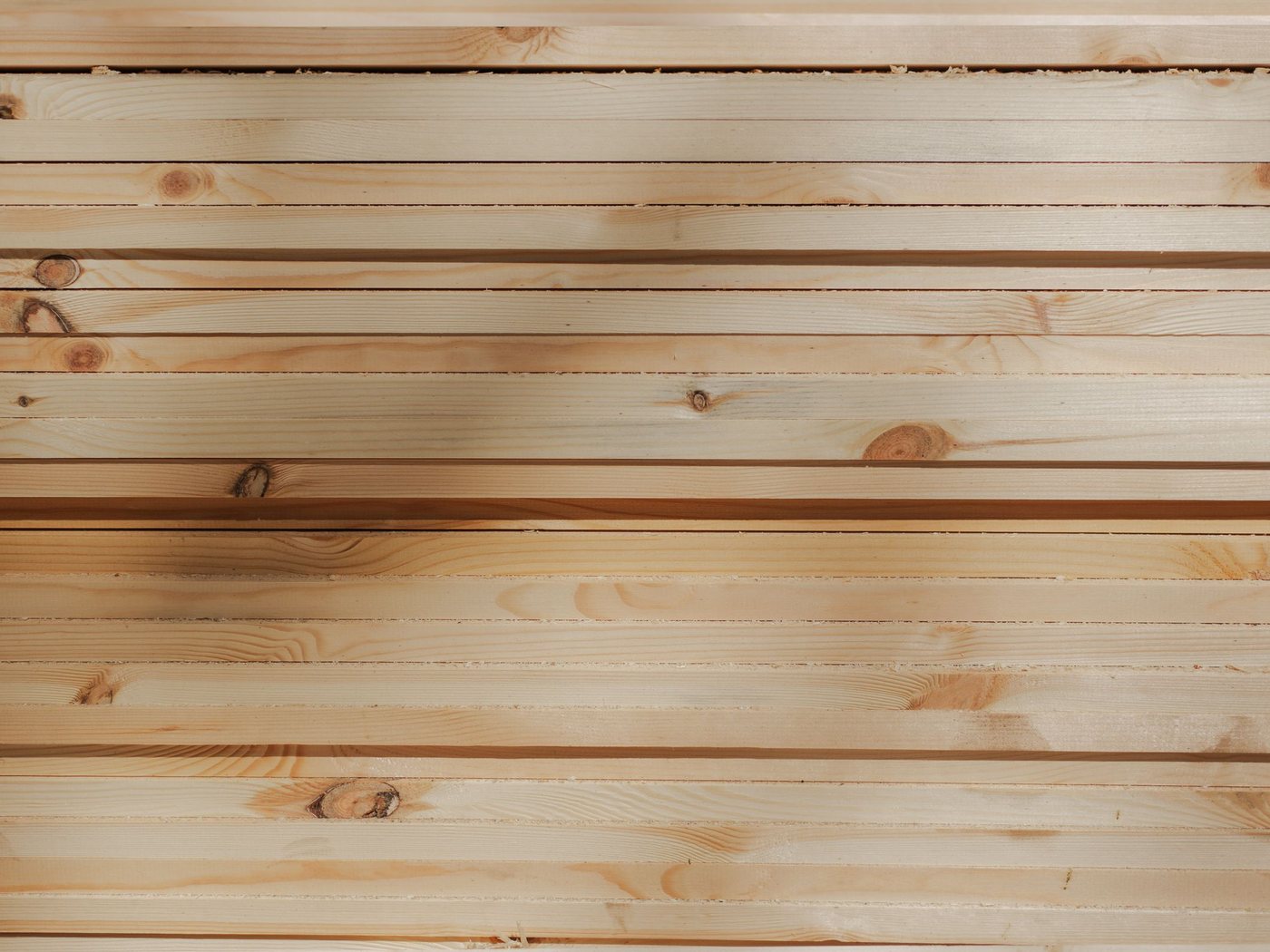
Timber takes up water. A pallet left in the rain gains weight, can stain a load and will grow mould in a closed container. Store pallets under cover.
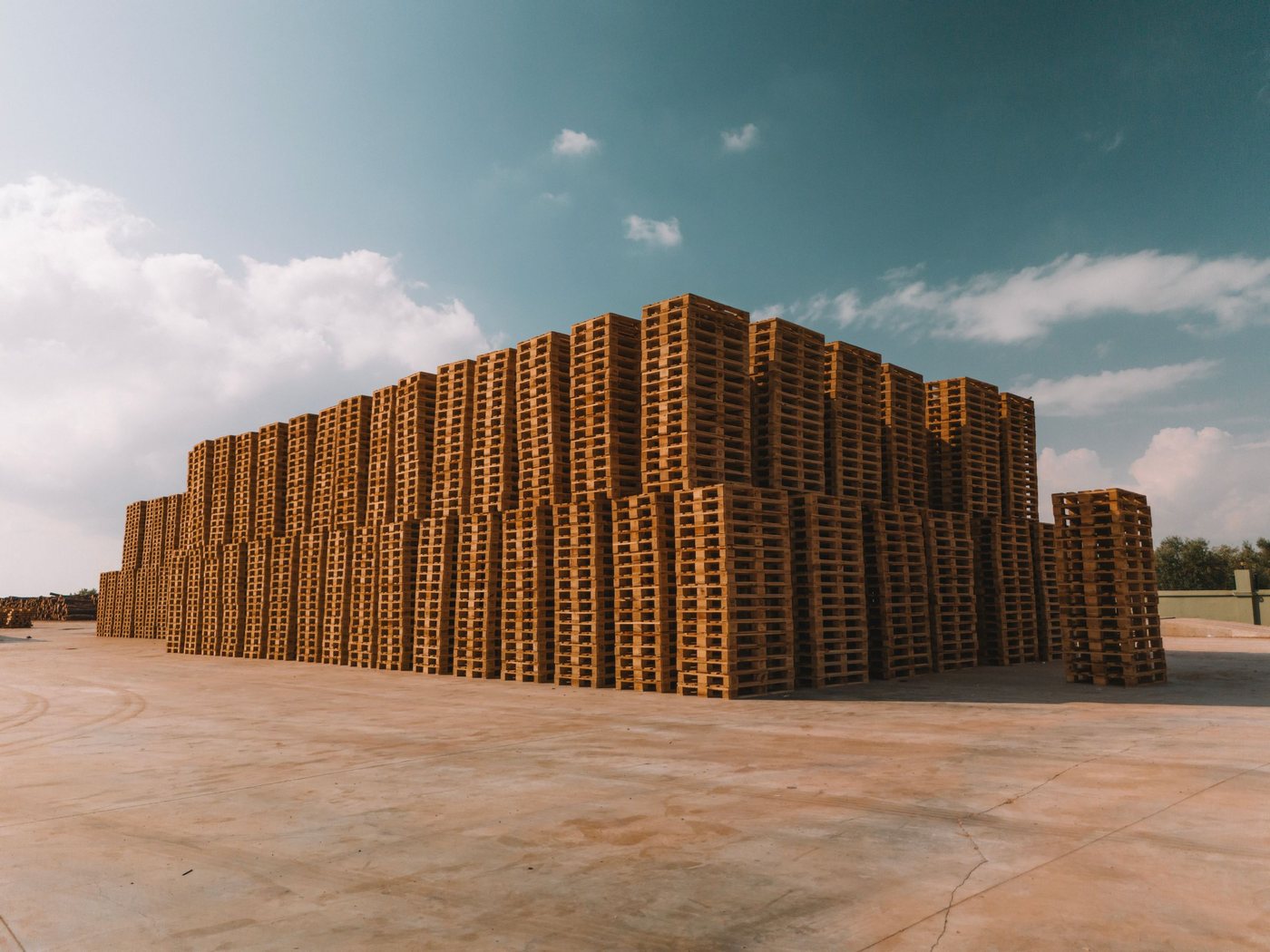
Standard, heavy-duty, industrial and ISPM-15 export pallets — built to the size, the load and the handling your goods actually go through.
Wood has stayed the dominant pallet material through decades of plastic and metal alternatives, and the reasons are practical: it carries heavy loads at low cost, it grips a load rather than letting it slide, it can be repaired with a hammer and a board, and at end of life it is recyclable rather than waste.
We manufacture and supply pallets for industrial, logistics and packaging use — and because we import the logs and saw the timber ourselves, the boards that go into them are the same graded stock we sell to other pallet manufacturers.
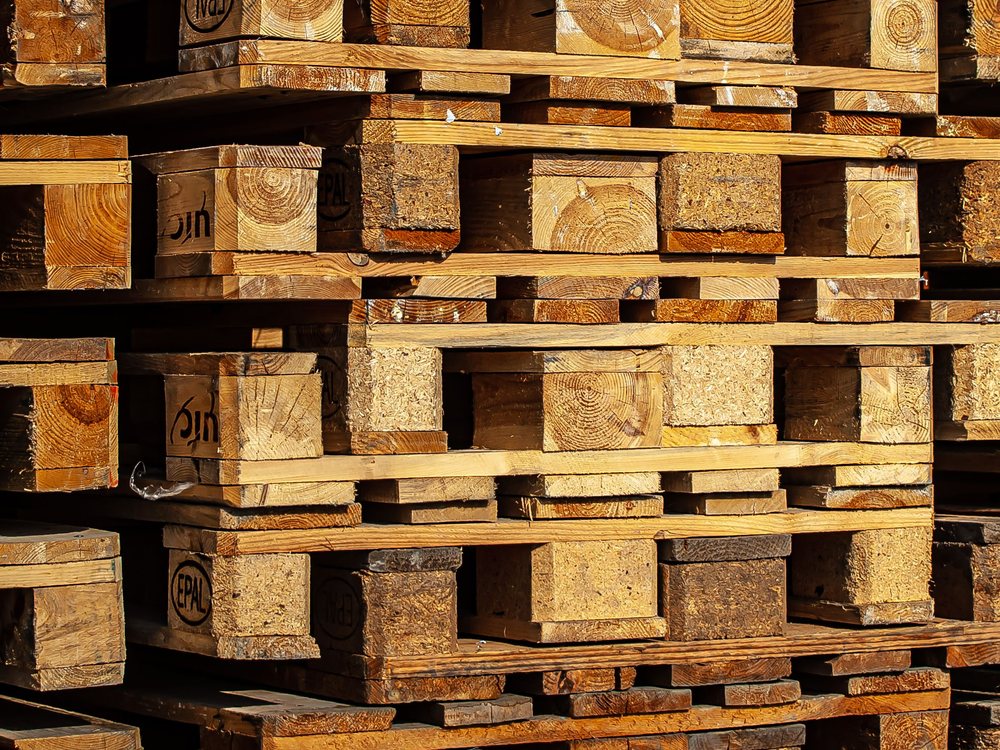
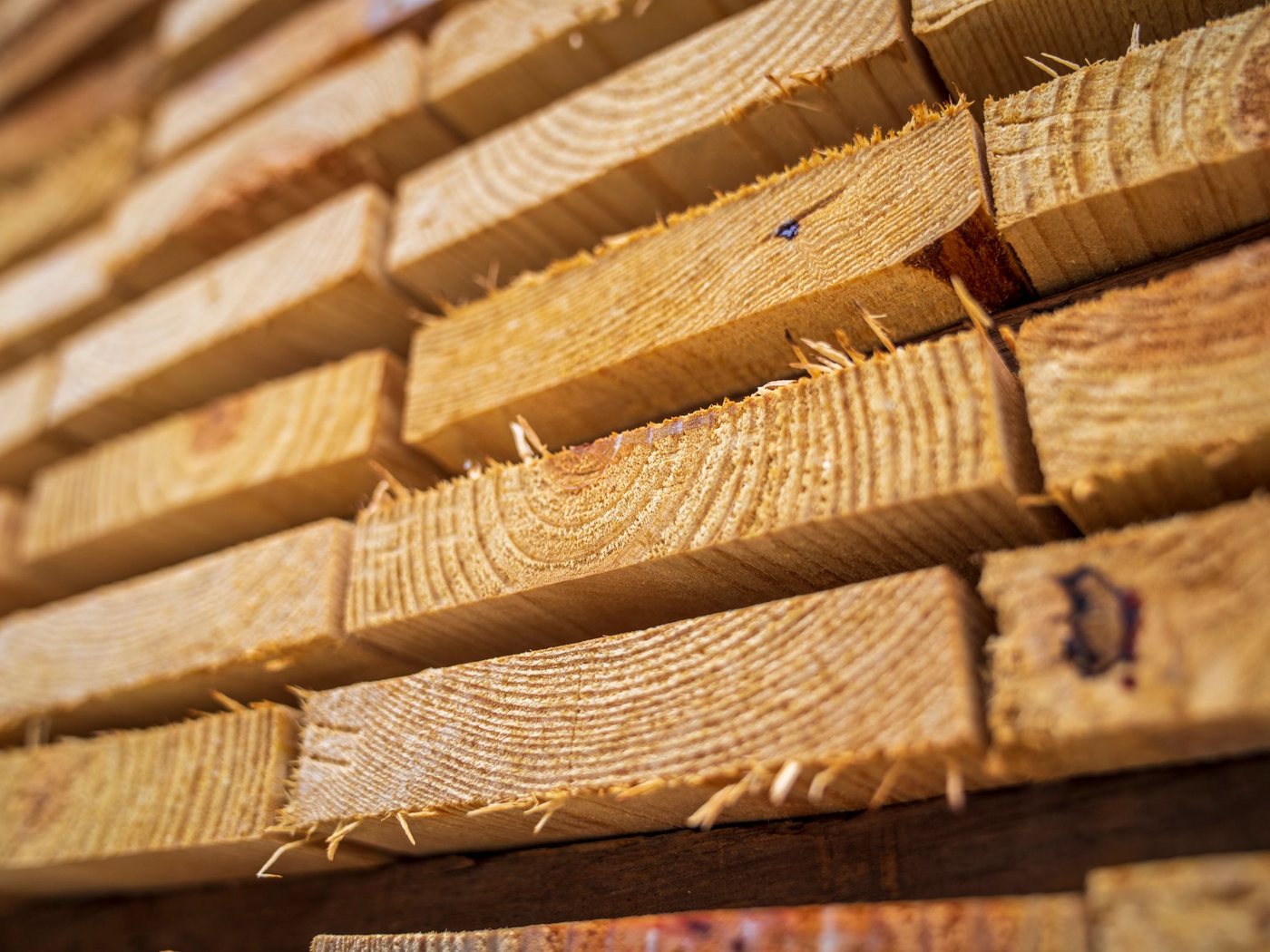
A pallet is only as good as the board in it. Thin, wet or badly graded timber is why pallets break at the bearer, split at the nail and fail on the third trip.
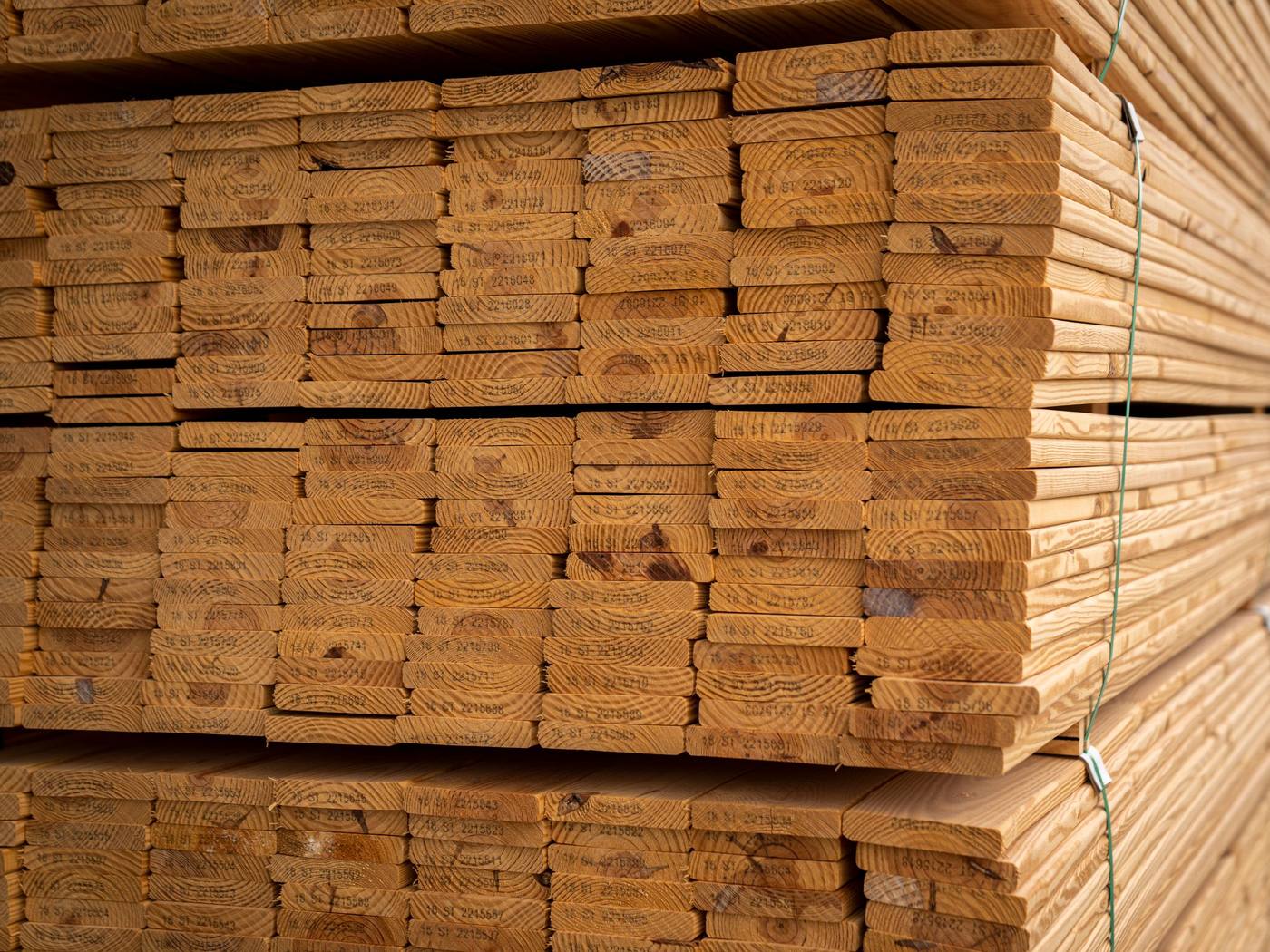
Our pallets are built from graded pallet-grade timber sawn at our own Gandhidham mill, from imported New Zealand radiata pine and Southern Yellow Pine. Where a load needs real strength and fastener holding, SYP goes in; where weight and freight cost matter more, radiata does.
That choice is made with you at the enquiry stage, not silently in the workshop.
The real cost of a pallet is not the purchase price — it is the price divided by the number of trips it survives, plus whatever it damages when it fails.
Timber carries heavy, concentrated loads at a fraction of the cost of plastic or metal equivalents of the same capacity.
A broken deck board or block is replaced with a hammer and a nail gun. A cracked plastic pallet is scrap.
Timber has natural surface friction, so loads sit still on it. Smooth plastic decks need extra securing to do the same job.
Standard sizes when standard suits, and any custom footprint when your product does not fit one — without tooling cost.
Timber pallets can be heat treated and IPPC marked to ISPM-15, which is what most importing countries require of wood packaging.
Worn pallets go to repair, to re-manufacture in smaller sizes, or to chip — rather than to landfill.
Every timber has a working range. These are the honest limits of wooden pallets — knowing them up front is what keeps a consignment from going wrong.
Timber takes up water. A pallet left in the rain gains weight, can stain a load and will grow mould in a closed container. Store pallets under cover.
For air freight or where every kilogram is charged, a plastic or presswood pallet may work out cheaper despite the higher purchase price.
Untreated wood packaging is refused by most importing countries. Export pallets must be heat treated and marked — build that into cost and lead time.
Protruding nails and splintered boards can damage bagged or wrapped goods. Inspect pallets before loading and pull damaged ones out of circulation.
Where particulate control or washdown hygiene is required, plastic is usually specified instead. Timber is for industrial, warehouse and transport duty.
Timber moves slightly with ambient moisture. For automated handling with tight tolerances, specify kiln-dried material and say so at enquiry.
Pallets are specified by what the load does, not just what it weighs.
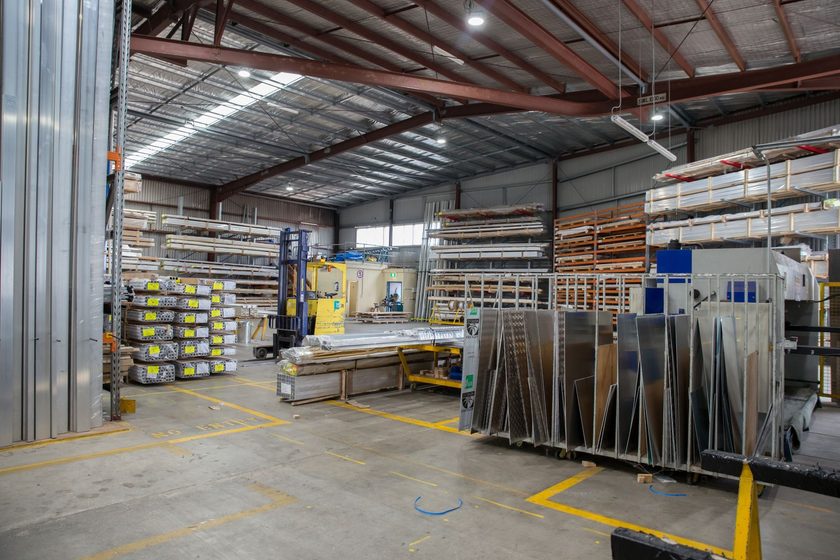
Pallets sized to the racking beam and rated for the stored load.
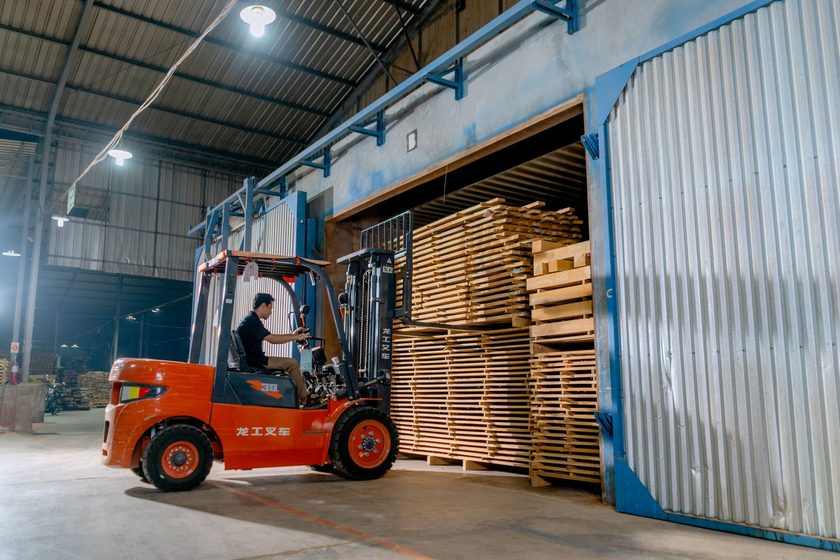
Standard-footprint pallets for regular outbound production.
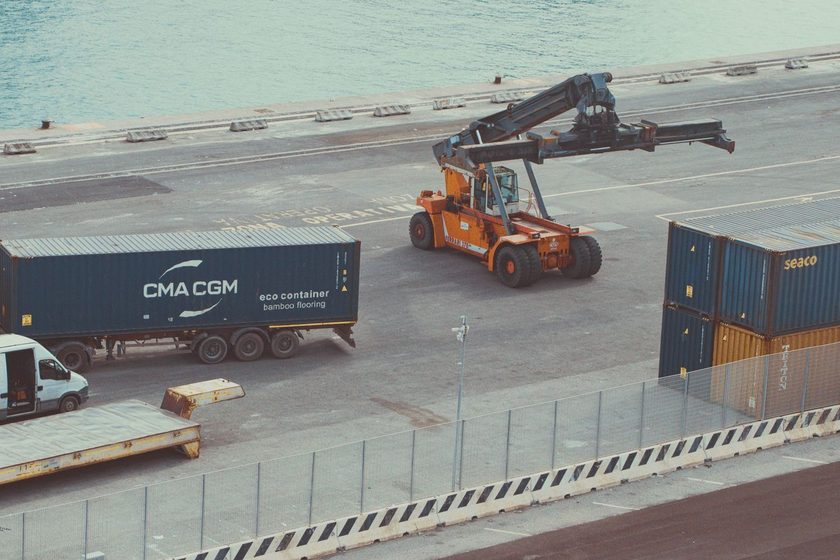
ISPM-15 heat treated pallets sized to load efficiently in containers.
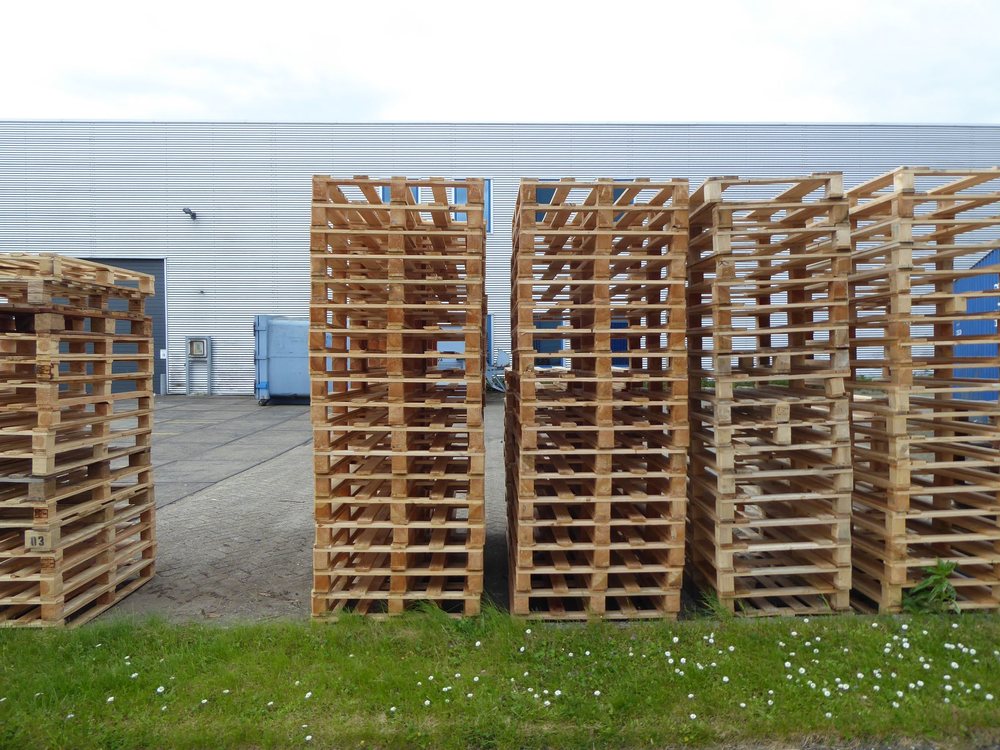
Heavy-duty pallets and skids with thicker decks and extra bearers.
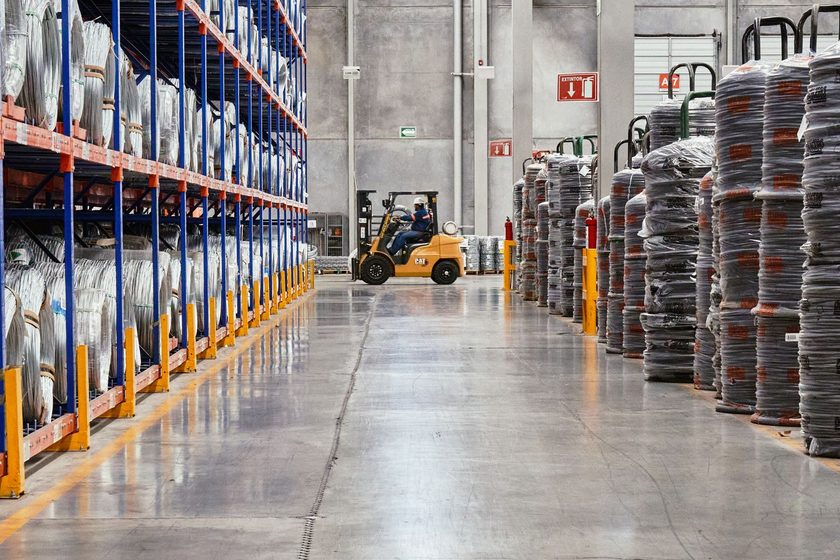
Close-boarded decks that support a concentrated or shifting load.
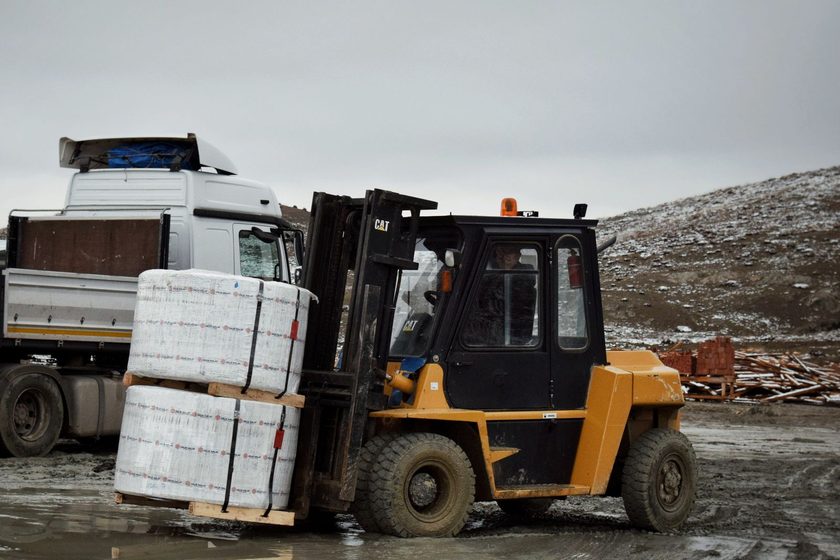
Four-way entry pallets for fast, repeated forklift handling.
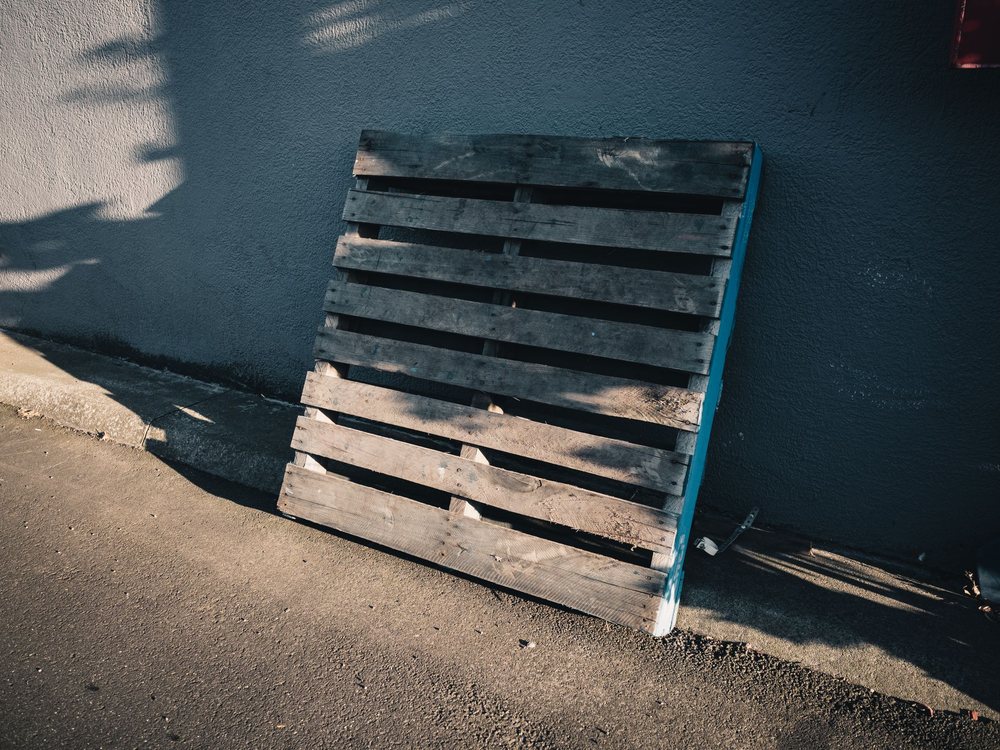
Half pallets and light pallets for smaller, lighter consignments.
Made-to-drawing pallets for odd-sized or irregular goods.
These footprints cover most requirements. Anything outside them is simply a customized pallet — send the size and the load.
| Size (mm) | In inches | Commonly called | Typically used for |
|---|---|---|---|
| 1200 × 800 | 47" × 31" | Euro-size footprint | European consignments, FMCG, racking systems |
| 1200 × 1000 | 47" × 39" | ISO / industrial standard | General industrial, chemicals, engineering goods |
| 1219 × 1016 | 48" × 40" | North American / GMA footprint | Cargo bound for the USA and Canada |
| 1140 × 1140 | 45" × 45" | Container-friendly square | Containerised export, drums and bagged goods |
| 1100 × 1100 | 43" × 43" | Asia-Pacific standard | Asia trade lanes, containerised shipments |
| 800 × 600 | 31" × 24" | Half pallet | Light loads, spares, retail and display use |
| Custom | As required | Made to your drawingAny size, any load class | Machinery, odd-sized goods, one-off consignments |
Swipe the table sideways to see every column.
Tell us four things — footprint size, load weight per pallet, domestic or export, and monthly quantity — and we can quote a build specification against them.
Most pallet failures in the field trace back to storage, not to manufacture.
We will come back with a build specification and a price — domestic or ISPM-15 export.